
In the epic realm of Tamriel, two giants stand tall: Skyrim and Oblivion. Gamers often find themselves caught in a fierce debate, each title boasting its own unique charm and challenges. Whether you’re wielding a sword in the frozen tundras of Skyrim or navigating the mystical realms of Oblivion, both games offer unforgettable adventures that keep players coming back for more.
Overview of Skyrim and Oblivion
Skyrim and Oblivion, both set in the immersive Tamriel universe, present gamers with distinct adventures. Each game showcases unique elements that contribute to its lasting popularity.
Release Dates and Platforms
Oblivion launched on March 20, 2006, for Xbox 360, PlayStation 3, and PC. This title marked a significant advancement in open-world gaming. Skyrim followed on November 11, 2011, available on Xbox 360, PlayStation 3, and PC. The game later received special editions for Xbox One, PlayStation 4, and Nintendo Switch. Both titles are now staples of various gaming consoles and platforms, allowing new players to experience their grandeur.
Game Developers and Publishers
Bethesda Game Studios developed both titles, showcasing their expertise in creating expansive worlds. Oblivion was published by 2K Games in North America and Bethesda Softworks globally. Skyrim saw similar support from Bethesda Softworks, which contributed to its massive success. Each installment reflects Bethesda’s commitment to deep narratives and player freedom.
Gameplay Comparison
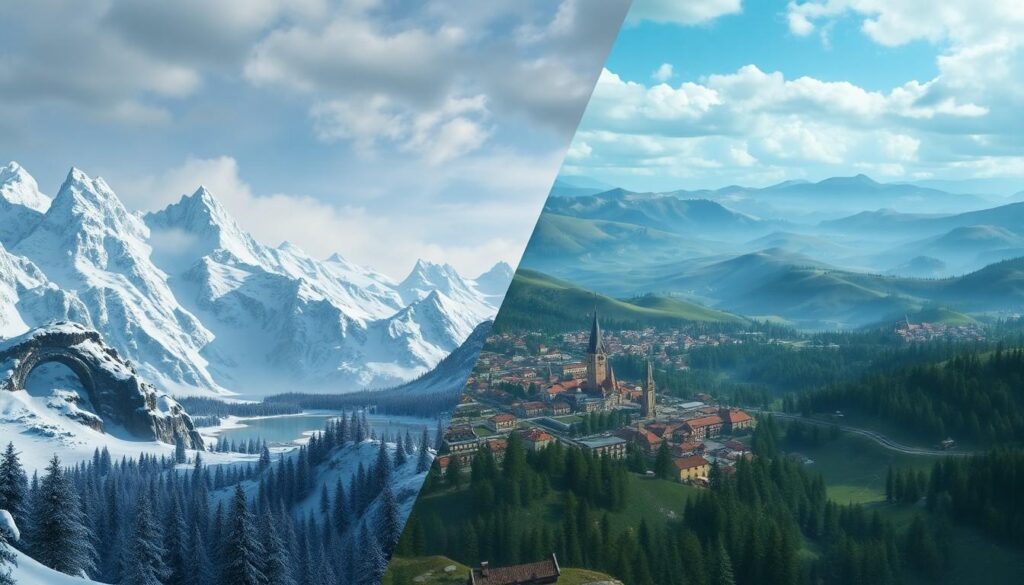
Both Skyrim and Oblivion offer distinctive gameplay experiences that captivate players. Each title pushes the boundaries of world design, exploration, and combat mechanics.
World Design and Exploration
Skyrim boasts a vast, snowy landscape filled with towering mountains and intricate dungeons. Oblivion features a more diverse terrain with rolling hills, dense forests, and vibrant cities. Players in Skyrim enjoy the ability to climb mountains and explore hidden caves, while Oblivion emphasizes the importance of urban centers, such as the Imperial City. Quests in both games encourage exploration, but Skyrim’s radiant AI allows for dynamic interactions with NPCs. Overall, Oblivion presents a linear quest structure, leading players through a more guided experience. Skyrim’s sandbox approach provides broader freedom, allowing for unique adventures tailored to individual play styles.
Combat Mechanics and Skills
Combat in Skyrim feels more fluid, integrating a mix of melee, magic, and archery. Players can dual-wield weapons or spells, adding variety to combat encounters. Oblivion’s combat mechanics appear more simplistic, focusing on a traditional leveling system for skills. While both games allow for skill specialization, Skyrim enhances this through perks, enabling unique character builds. Enemy AI also plays a crucial role; Skyrim features smarter foes that adapt to player strategies. Oblivion, however, relies on a less responsive combat system. Ultimately, while Skyrim prioritizes versatility and strategic depth, Oblivion offers a solid foundation that appeals to traditional RPG enthusiasts.
Graphics and Visuals
Graphics and visuals form a significant aspect of the comparison between Skyrim and Oblivion. Both games showcase distinct designs that leave lasting impressions on players.
Art Style and Aesthetics
Art style in Skyrim features a realistic approach, vividly bringing its cold landscapes and intricate character designs to life. Colors often lean toward colder hues, enhancing the game’s atmospheric depth. Oblivion, in contrast, opts for a more stylized aesthetic, offering vibrant colors and a fantastical look that sets it apart. Environments in Oblivion emphasize lush greenery and majestic cities, contributing to its enchanting feel. Each game creates a unique visual identity, effectively reflecting the narrative and themes present within their worlds.
Technical Performance
Technical performance marks another contrast between the two titles. Skyrim benefits from improved graphics technology, delivering higher resolutions and more detailed textures compared to Oblivion. Frame rates in Skyrim often remain stable, even during complex scenes with many characters. Oblivion, while groundbreaking at its release, faces limitations with performance issues, particularly in larger battles or bustling towns. The advancements in Skyrim’s engine allow for smoother gameplay, enhancing overall player experience. Both games’ visuals ultimately play crucial roles in how players engage with their expansive worlds.
Story and Quests
Both Skyrim and Oblivion feature rich narratives and engaging quests. Their unique storytelling methods provide players hours of immersive gameplay.
Main Narrative and Themes
Skyrim revolves around the inevitable conflict between the Dragonborn and Alduin, the World-Eater. Themes of destiny and freedom dominate the storyline, encouraging players to explore their role within Tamriel. Oblivion, in contrast, centers on the invasion of Tamriel by the Mythic Dawn cult. Players unravel a conspiracy involving Daedric princes, highlighting themes of hope and heroism throughout the journey. Each game presents its narrative with distinct pacing and atmosphere, drawing players into different yet equally compelling worlds.
Side Quests and Character Development
Side quests in Skyrim diversify the gameplay experience considerably. Players engage in guild storylines like the Thieves Guild and Dark Brotherhood, which enhance character depth through relatable NPCs. Oblivion also boasts memorable side quests, including the infamous “Psycho Cabbage” quest, allowing players to interact meaningfully with the world. Character development flourishes in both games, as players can choose different paths to shape their avatars. Choices made during these quests directly influence future interactions, enriching the player’s immersion in the game.
Modding Community and Customization
The modding communities for both Skyrim and Oblivion provide extensive options for customization. Gamers actively develop and share mods that enhance gameplay, graphics, and quests, significantly expanding the original content of both titles.
Availability of Mods
Skyrim boasts a larger modding community than Oblivion, thanks in part to its more recent release. Popular platforms like Nexus Mods have thousands of mods specifically designed for Skyrim, offering anything from graphical enhancements to new questlines. Oblivion, while also having a dedicated community, features relatively fewer mods. Many notable mods for Oblivion still exist, such as graphical improvements and gameplay tweaks that cater to niche interests. Each game allows players to tailor their experience, showing the lasting impact of community contributions.
Impact on Gameplay Experience
Mods influence the gameplay experience in substantial ways. Skyrim’s mods often introduce new mechanics and alter existing systems, enhancing player immersion. For instance, mods can add advanced combat mechanics or completely new character classes. Oblivion’s mods typically focus on narrative expansion and quest diversity, appealing to players who seek deeper storylines. Each title’s modding community promotes creativity, resulting in personalized gameplay experiences. Gamers often find themselves revisiting the titles due to fresh content continually introduced by modders.
Community Reception and Legacy
Both Skyrim and Oblivion received widespread acclaim and contributed significantly to the gaming landscape.
Critical Acclaim and Awards
Skyrim achieved remarkable recognition, securing over 200 Game of the Year awards and amassing critical acclaim on platforms like Metacritic. Oblivion also performed impressively, earning accolades for its innovative gameplay and deep narrative, including the coveted Best Game award at the 2007 BAFTA Game Awards. Critics and players praised Skyrim for its expansive world and immersive storytelling, while Oblivion’s vibrant graphics and intricate quest design garnered positive reviews. Both titles stand as benchmarks in RPG development, influencing the expectations for future games.
Influence on Future RPGs
Both games profoundly influenced RPG design and development. Skyrim set new standards for open-world exploration, inspiring future titles like The Witcher 3 and Monster Hunter: World. Game developers now strive to create expansive worlds with rich narratives, often citing both Skyrim and Oblivion as key influences. Oblivion, with its dynamic quest system and AI-driven characters, enhanced the integration of player choice and consequence in storytelling. The legacy of these games continues, shaping the direction of new RPGs and expanding the genre’s horizons.
Conclusion
The debate between Skyrim and Oblivion reflects the diverse preferences of gamers. Each title offers a unique experience that resonates with different audiences. Skyrim’s expansive open world and dynamic gameplay attract those seeking freedom and exploration. Oblivion’s rich narrative and structured quests appeal to players who enjoy a more guided adventure.
Both games have left an indelible mark on the RPG genre, influencing countless titles that followed. Their legacies continue to thrive through active modding communities and ongoing discussions among fans. Ultimately, whether one prefers the icy peaks of Skyrim or the enchanting landscapes of Oblivion, both games remain timeless classics that showcase the artistry of Bethesda Game Studios.