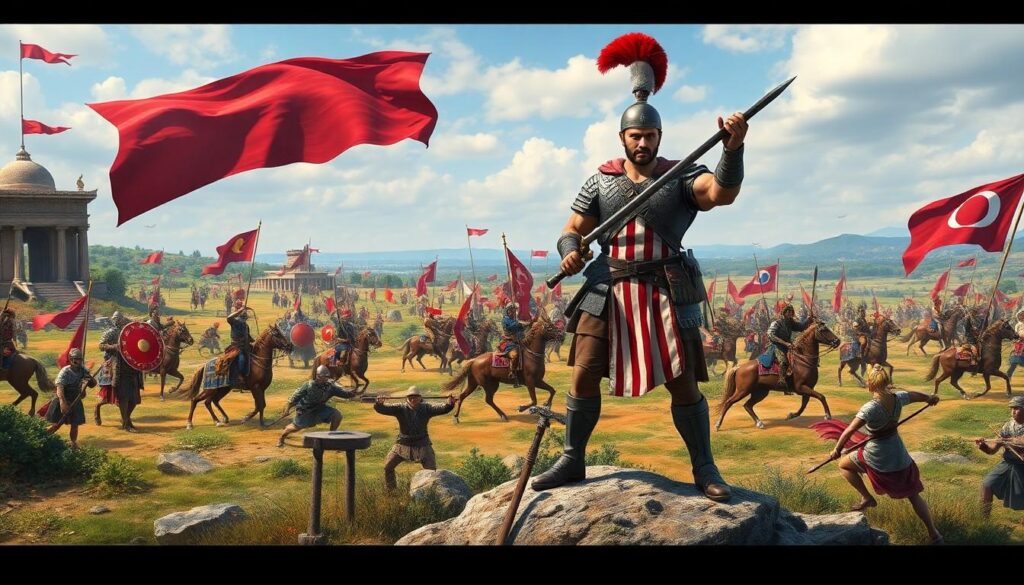
In the grand tapestry of history, civilizations rise and fall like the sun setting over a battlefield. “Age of Empires” invites players to step into this epic saga, where they can lead their chosen civilization to glory or, let’s be honest, spectacular failure. From the cunning strategies of the Greeks to the relentless march of the Mongols, each civilization offers a unique flavor that keeps players coming back for more.
Overview of Age of Empires Civilizations
Civilizations in “Age of Empires” offer players unique experiences shaped by historical accuracy and gameplay dynamics. Each civilization possesses distinct strengths and weaknesses, influencing strategies throughout the game.
For example, the Greeks are renowned for their advanced technologies, allowing players to develop strong economies. They excel in infantry units, making them formidable in ground warfare. On the other hand, the Mongols thrive on mobility and speed, utilizing cavalry to execute rapid attacks against opponents.
Player choice affects the approach to resource management and military tactics. Chinese civilizations benefit from a population advantage, enabling quicker troop production. Meanwhile, the Japanese focus on naval dominance, ideal for campaigns on coastal maps.
Civilization diversity enriches gameplay, encouraging players to explore different strategies. Notably, the Egyptians’ ability to construct buildings more efficiently supports quick expansions. Similarly, the Persians command a strong economy, capable of producing massive armies fast.
Transitions between ages influence civilization development. Advancements can lead to powerful units and upgrades, critical for maintaining an edge over adversaries. Players often adapt their tactics based on the civilization’s characteristics, enhancing overall engagement.
Strategies thrive on effective combination of unique civilization abilities and available resources. Each civilization’s storyline visually and interactively conveys historical narratives, capturing the attention of players while educating them about different cultures and eras.
Major Civilizations in Age of Empires
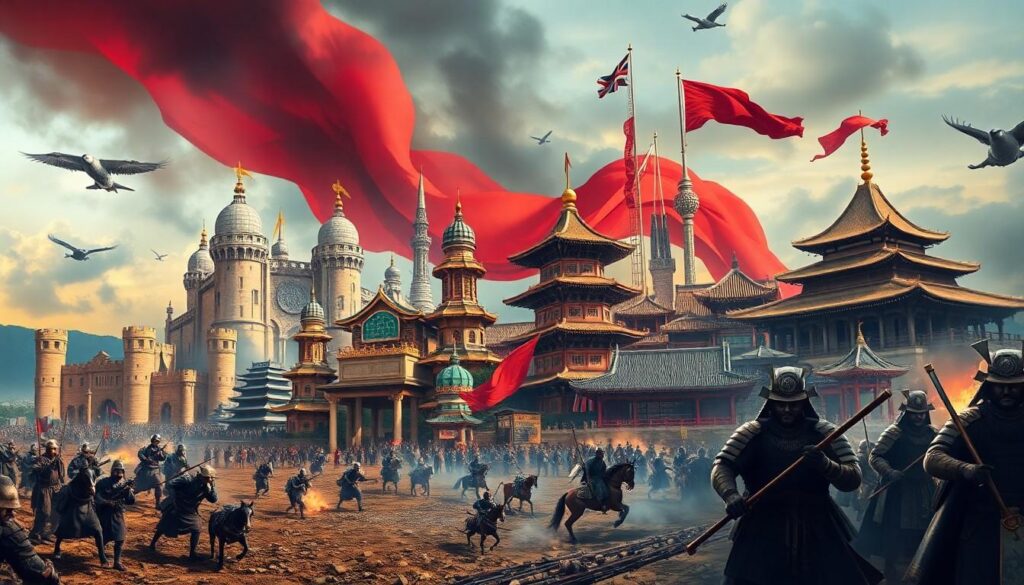
“Age of Empires” features a variety of civilizations, each presenting unique strengths and gameplay styles. Distinct characteristics shape how players approach strategies and resource management.
European Civilizations
European civilizations offer diverse gameplay experiences. The British excel in archery units with strong defensive capabilities. French cavalry units provide unique mobility, allowing quick maneuvers across the battlefield. The Germans focus on economic advancements, enabling rapid production increases. Additionally, the Italians benefit from cost-effective technology upgrades, enhancing their strategic flexibility. Each civilization’s unique traits allows players to explore various tactical approaches, influencing their play style throughout the game.
Asian Civilizations
Asian civilizations present distinct advantages, shaping unique gameplay strategies. The Chinese begin with extra villagers, giving them an initial resource boost. Japanese warriors prove formidable with enhanced infantry capabilities, making aggressive tactics viable. The Koreans emphasize technological advancements, offering powerful defensive structures. In addition, the Mongols’ cavalry mobility allows players to outmaneuver opponents. Players are encouraged to leverage these traits to adapt their strategies, resulting in engaging gaming experiences filled with dynamic challenges.
African Civilizations
African civilizations enhance the game’s richness through cultural diversity. The Malians emphasize economic strength with robust trade systems, ensuring resource flow. Ethiopians benefit from archers who gain combat bonuses, offering unique engagement opportunities. Furthermore, the Berbers focus on cavalry production, allowing rapid troop deployments. Each civilization’s strengths foster adaptive strategies, creating a tapestry of gameplay options that encourage experimentation and strategic planning.
Unique Features of Each Civilization
Each civilization in “Age of Empires” showcases distinct features that influence gameplay strategies. Understanding their unique traits enhances player experience.
Economic Strengths
Economic strengths vary by civilization, impacting resource management. For example, the Chinese benefit from a significant population advantage, allowing for rapid expansion. The Persian economy thrives on increased starting resources, giving players an early boost. Egyptians excel in construction efficiency, reducing costs and time for building structures. In contrast, the Malians emphasize strong trade systems, facilitating wealth accumulation through market exchanges. Each economy’s characteristics prompt players to adjust their strategies for resource maximization.
Military Capabilities
Military capabilities differ significantly among civilizations, affecting tactical decisions during gameplay. The Mongols stand out with their powerful cavalry units, known for exceptional mobility and speed. Japanese forces, with strong infantry and increased attack bonuses, support aggressive strategies. On the other hand, the British focus on archers, offering long-range capabilities in battle. The Germans excel in creating strong infantry, providing robust defensive options. Each civilization’s military strengths lead to diverse approaches in combat, encouraging various tactical styles.
Technological Advancements
Technological advancements play a crucial role in each civilization’s growth during the game. The Greeks are recognized for their superior technologies, leading to enhanced military units. Japanese civilizations benefit from rapid advancements, particularly in naval technologies that strengthen fleet capabilities. Chinese civilizations emphasize increased technological research speed, fostering innovation. In contrast, the Koreans excel in unique military technologies, enhancing their defense. Each civilization’s focus on technological development contributes to varied gameplay experiences and strategic planning.
Strategies for Success with Each Civilization
Successful gameplay in “Age of Empires” relies on understanding each civilization’s unique strengths. Players can maximize their effectiveness by employing tailored strategies.
Resource Management Tips
Prioritize gathering key resources like food, wood, and gold based on civilization needs. Focus on early farming with civilizations like the Chinese, who benefit from a larger population boost. Establish trade routes, especially with African civilizations such as the Malians, which offer substantial economic advantages. Utilize villagers efficiently; either maximize production or explore for additional resources. Players should also invest in technology upgrades to enhance resource gathering speed as ages progress. Optimal resource distribution allows for agile responses to opponents’ strategies.
Offensive and Defensive Strategies
Adopt aggressive tactics when playing as the Mongols, leveraging their superior cavalry for swift raids. Focus on naval dominance with the Japanese to control waterways, securing valuable trade routes. Fortifying positions is essential for civilizations like the Koreans, who emphasize defensive structures. Employ a balanced army composition with varied civilizations to adapt to different challenges, ensuring infantry support complements cavalry. Adapt strategies based on the opponent’s movements, countering effectively with a mix of offense and defense. Players should consider each civilization’s unique abilities to devise comprehensive attack or defense plans.
Conclusion
The rich tapestry of civilizations in “Age of Empires” offers players a dynamic and engaging experience. Each civilization’s unique strengths and weaknesses encourage strategic planning and adaptability. From the advanced technologies of the Greeks to the mobility of the Mongols, players can explore various approaches to achieve victory.
This diversity not only enhances gameplay but also educates players about historical cultures and their contributions. As players navigate through different ages and refine their tactics, they discover the importance of resource management and military composition. Ultimately, “Age of Empires” remains a captivating platform for strategy enthusiasts and history buffs alike, inviting them to immerse themselves in the complexities of civilization building.