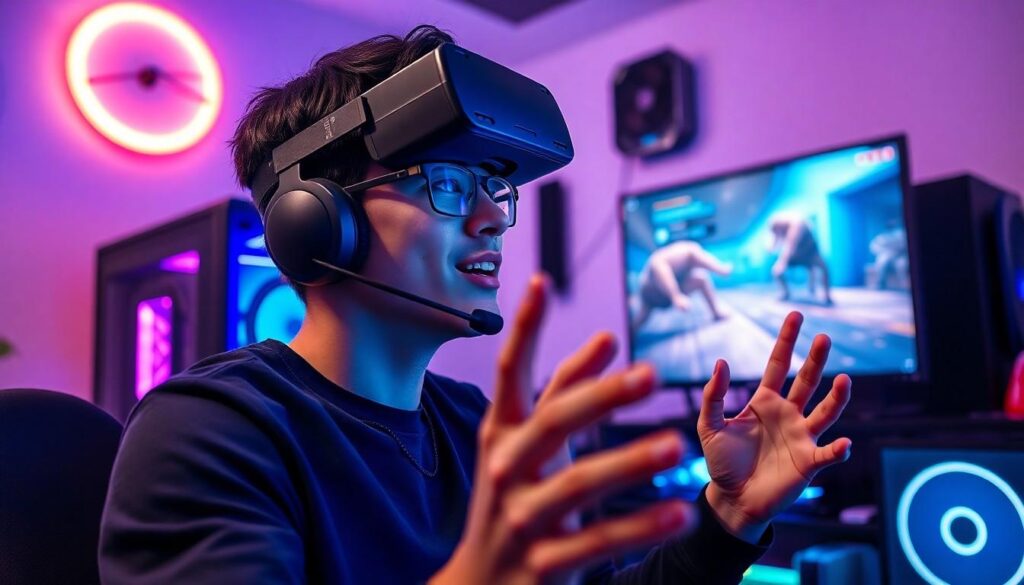
In a world where reality can sometimes feel a bit too mundane, VR gaming PCs swoop in like a superhero with a cape made of pixels. These powerful machines don’t just play games; they transport players into breathtaking virtual realms where anything is possible. Imagine battling dragons while sipping your morning coffee or exploring alien planets without leaving your living room.
What Is a VR Gaming PC?
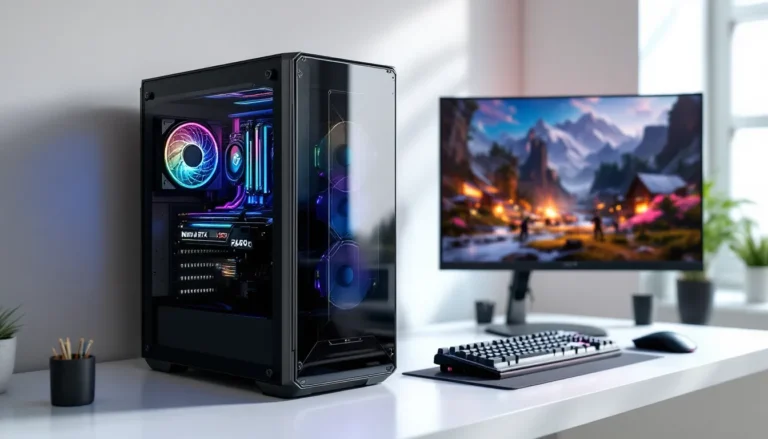
A VR gaming PC is a specialized computer designed to deliver an immersive virtual reality experience. These systems typically include high-performance components that meet or exceed the requirements set by VR equipment manufacturers. Powerful graphics cards, such as NVIDIA RTX 30 series or AMD Radeon RX series, enable realistic rendering of 3D environments, making gameplay visually stunning.
Processors play a crucial role in VR performance. Multi-core CPUs, like Intel Core i7 or AMD Ryzen 7, ensure smooth operation and support for complex calculations. Memory also matters; a minimum of 16GB RAM is recommended for seamless multitasking, allowing background applications to run smoothly during gaming sessions.
Storage solutions often leverage SSD technology. Solid-state drives significantly reduce load times compared to traditional hard drives. This speed enhances the overall experience by minimizing waiting periods between scenes or levels.
Connectivity options are essential for VR gaming PCs. USB ports, particularly USB 3.0 and higher, accommodate various VR headsets and accessories. HDMI or DisplayPort outputs connect high-resolution monitors, optimizing visuals for gaming.
Choosing a VR gaming PC involves considering compatible hardware for various VR platforms. Popular systems may support Oculus Rift, HTC Vive, or Valve Index. Every VR setup requires specific connections and capabilities, impacting user experience and enjoyment.
Ultimately, VR gaming PCs represent the cutting edge of gaming technology. These powerful machines not only support immersive gameplay but also elevate the overall gaming experience by allowing players to step into rich, interactive worlds.
Key Components of a VR Gaming PC
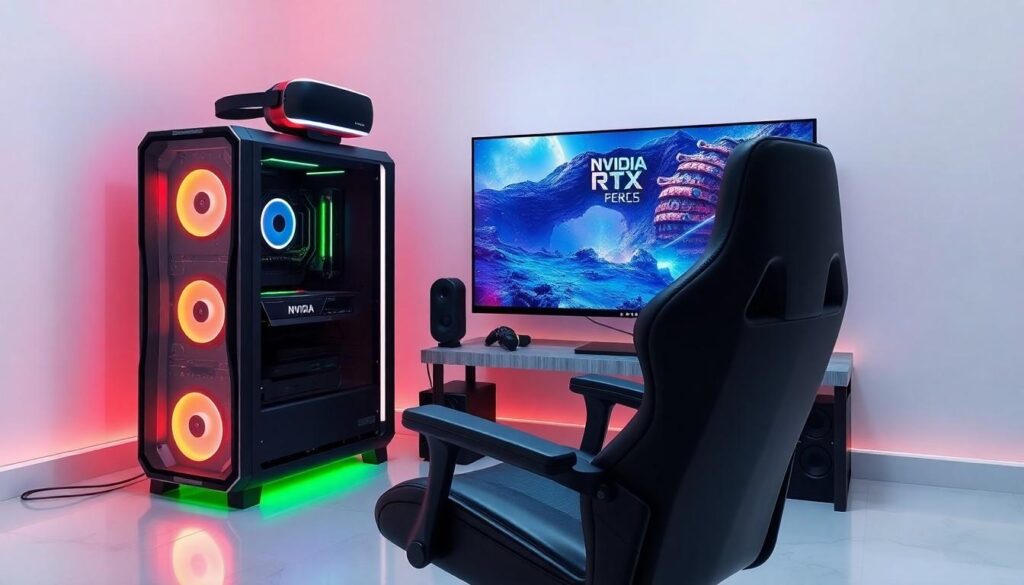
A VR gaming PC requires specific components that ensure an optimal immersive experience. Each key part plays a vital role in achieving high-performance gaming.
Graphics Card
The graphics card is crucial for rendering realistic visuals in virtual reality. NVIDIA’s RTX 30 series and AMD’s Radeon RX series excel in delivering stunning graphics and high frame rates. These graphics cards support advanced technologies like ray tracing, enhancing lighting effects and overall realism. Optimal frame rates prevent motion sickness, making smoother gameplay essential. By processing complex 3D environments efficiently, powerful graphics cards become indispensable for VR gamers.
Processor
The processor serves as the brain of a VR gaming PC, handling numerous tasks simultaneously. Multi-core CPUs, such as Intel’s Core i7 and AMD’s Ryzen 7, deliver the power needed for seamless performance. These processors handle the demands of modern VR games while allowing multitasking without lag. Faster clock speeds and more cores translate to quicker processing times, benefiting demanding VR applications. Investing in a strong processor ensures a responsive and enjoyable gaming experience, crucial for immersive virtual environments.
RAM
RAM determines how many processes can run concurrently and how smoothly a system operates. A minimum of 16GB RAM is essential for VR gaming. This amount allows seamless multitasking and quick data access, leading to faster load times. More RAM can significantly enhance performance during intense gaming sessions or when using multiple applications simultaneously. Efficient memory usage prevents lag, keeping players engaged in their virtual adventures without disruptions.
Storage
Storage options impact load times and overall system responsiveness. Solid State Drives (SSDs) provide faster read and write speeds compared to traditional Hard Disk Drives (HDDs). With an SSD, games load quickly, reducing waiting times. A minimum capacity of 512GB is recommended, as VR titles can consume substantial space. Faster storage solutions improve game performance, ensuring a glitch-free experience. Choosing the right storage option enhances the complete virtual reality experience, allowing players to dive into worlds without barriers.
Benefits of a VR Gaming PC
A VR gaming PC offers several advantages that enhance the overall gaming experience. These benefits include immersion and performance improvements crucial for virtual reality.
Immersive Experience
Immersion plays a significant role in virtual reality gaming. Players engage in dynamic worlds that react to their actions, creating a sense of presence. Realistic graphics and spatial audio enhance this feeling, drawing players deeper into their game environments. Upscale resolutions eliminate visual distractions, allowing a seamlessly engrossing experience. Furthermore, precise tracking technology enables natural movement, making interactions enjoyable and intuitive. With these elements combined, VR gaming PCs provide experiences that traditional gaming setups struggle to achieve.
Enhanced Performance
Performance of a VR gaming PC directly impacts gameplay quality. Powerful graphics cards such as the NVIDIA RTX 30 series deliver stunning visuals, while multi-core CPUs like Intel Core i7 ensure smooth multitasking. A minimum of 16GB RAM supports quick data access, reducing lag during gameplay. Faster SSDs further improve load times, allowing players to jump into their games swiftly. High frame rates contribute to fluid motions, preventing motion sickness often associated with VR. These components together offer optimized performance that elevates gaming to new heights.
Top VR Gaming PCs on the Market
Leading the market, several VR gaming PCs cater to different budget ranges and performance needs. These machines provide performance and features that enhance the virtual reality experience.
Premium Options
Premium VR gaming PCs deliver exceptional performance. The Alienware Aurora R12 features Intel Core i9 and NVIDIA RTX 3080, offering top-tier graphics and processing power. This configuration supports high frame rates and stunning visuals. Corsair One i300 stands out with its compact design and powerful components, including an Intel Core i9 and 32GB RAM, ensuring seamless multitasking. HP Omen 30L also impresses users with its customizable options and AMD Ryzen 9, optimizing gameplay experiences. These systems excel in rendering realistic environments and support demanding VR titles, making them perfect for serious gamers.
Budget-Friendly Choices
Budget-friendly VR gaming PCs provide excellent value without sacrificing quality. The HP Pavilion Gaming Desktop, equipped with AMD Ryzen 5 and NVIDIA GTX 1660, offers solid performance for most VR games. This configuration allows entry-level gamers to engage in immersive experiences. Acer Aspire TC-895 stands out with its Intel Core i5 and integrated Intel UHD graphics, suitable for lighter VR titles. Additionally, the SkyTech Archangel offers a well-rounded package with a Ryzen 5 CPU and GTX 1660 Super, making it one of the best options for gamers on a budget. These systems enable an enjoyable VR experience while remaining affordable.
Conclusion
Investing in a VR gaming PC opens up a world of immersive experiences that redefine how players engage with their favorite games. With the right combination of powerful components such as high-performance graphics cards and multi-core processors, these systems ensure smooth gameplay and stunning visuals.
Whether opting for premium models or budget-friendly alternatives, gamers can find a VR gaming PC that meets their needs without compromising on performance. As technology continues to evolve, the possibilities for virtual reality gaming will only expand, making now the perfect time to dive into this captivating realm.